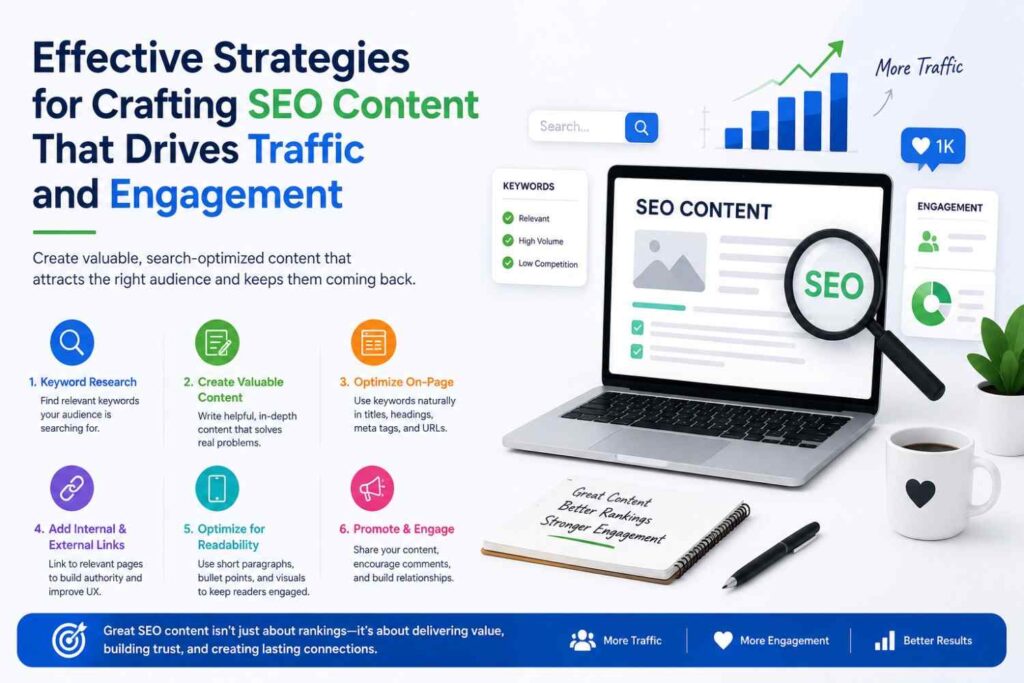
In an increasingly competitive digital world, creating content that not only ranks high in search results but also captures and keeps user interest is crucial. Marketers and businesses must use proven strategies to develop SEO content that delivers real value while standing out from the crowd. Discover how you can leverage the right techniques to boost engagement, increase organic traffic, and support sustainable business growth. For expert help in executing these tactics, see the Victorious content writing services designed to enhance your SEO success.
High-performing SEO content does more than appeal to algorithms. It focuses on solving real user problems, answering key questions, and creating memorable, shareable experiences. By building a deeper understanding of your audience and embracing emerging technologies and content formats, every piece you publish can become a powerful tool for attracting and retaining readers.
Understanding Your Audience
Knowing your target readers is the starting point of any successful SEO content strategy. This goes beyond standard demographics; it means researching what motivates their search behavior, the type of questions they ask, and the challenges they face. Conducting interviews, using social listening tools, or analyzing forum threads are excellent ways to collect these insights. When you understand what your audience truly values, you can create solutions-focused content that keeps them coming back. Behavior-driven content planning also increases engagement and shares across social platforms.
Incorporating User-Generated Content
User-generated content (UGC), such as reviews, testimonials, and community discussions, adds authenticity and diverse perspectives to your site. Not only does UGC foster trust among your readers, but it also appeals to Google’s evolving algorithms that value real-world perspectives. Recent updates have prioritized UGC in rankings, especially for transactional and informational queries. Encouraging your community to contribute through comment sections, polls, or forums can be a game-changer for organic discovery. As highlighted in Search Engine Journal, Google is increasingly surfacing more video, forum, and UGC content in search results.
Utilizing Multimedia Elements
Visual and interactive components transform standard text into compelling, engaging experiences. Use images, explainer videos, diagrams, and infographics to explain complex concepts, break up content, and boost user engagement. Multimedia not only makes your articles easier to digest but also increases the likelihood of shares and backlinks, two important factors for improving SEO performance. Recent studies by the Content Marketing Institute indicate that content with integrated media elements consistently achieves higher time on page and lower bounce rates than text-only content.

Optimizing for AI-Driven Search Features
AI-driven changes are redefining how content is discovered and consumed online. Google and other search engines now employ artificial intelligence to summarize content, answer questions, and provide direct answers in search results. Ensure your content aligns with these changes by structuring articles with clear headings, concise language, and well-formatted lists or takeaways. Featured snippets and AI overviews often pull from content that’s organized and easy for algorithms to interpret, which can greatly impact your click-through rates and organic visibility. For deeper insights into how these changes affect publishers, see Search Engine Journal’s coverage on AI’s impact on search.
Regularly Updating Content
Frequent updates demonstrate that your site remains authoritative and committed to providing accurate information. Outdated content loses relevance and may be pushed down in rankings, while routinely refreshed articles benefit from improved visibility and user trust. Conduct scheduled audits to replace obsolete data, add new insights, and expand on trending topics relevant to your niche. These ongoing updates also signal to search engines that your site is active and invested in serving its audience well.
Measuring and Analyzing Performance
Consistent monitoring helps determine what works and guides future content development. Use tools like Google Analytics and Search Console to track page impressions, clicks, engagement metrics, and conversion rates. Analyzing these data points highlights which articles resonate with your audience and uncovers potential gaps or opportunities. Setting up clear KPIs for each piece published ensures a data-driven approach to ongoing optimization and results in a more effective SEO content strategy.
Building Topic Authority and Internal Linking
Developing authority on core topics is vital for SEO longevity. Content clusters, where multiple related articles link to one another, reinforce your expertise in your industry. By mapping out comprehensive topic trees and interlinking supporting pieces, you signal to search engines that your site is a definitive source. This interconnection strengthens the topical relevancy of your core pages, making it easier for users and crawlers to navigate your site. A robust internal linking strategy also distributes link equity throughout your website, giving even newly published content a better chance of ranking.
Topic authority can be further established by referencing up-to-date studies, statistics, and expert opinions. Adding original research or case studies to your content can also significantly increase user trust and citation potential. As you become recognized within your niche, outreach campaigns for backlinks and collaborations become more effective, boosting both your brand and organic rankings.
Enhancing User Experience and Accessibility
SEO is not just about algorithms; it is ultimately about users. Ensuring your content is accessible to everyone, including those using screen readers or other assistive technologies, widens your reach and improves overall engagement. Clear, structured layouts, descriptive alt text for images, logical heading hierarchies, and fast-loading media all contribute to a more positive visitor experience. Regularly testing site speed and mobile responsiveness is also crucial, as slow or non-responsive sites can lead to higher bounce rates and lost opportunities. By focusing on user experience and accessibility, you create an inclusive platform that invites repeat visits and longer sessions.
Conclusion
Developing SEO content that truly drives traffic and fosters engagement involves far more than keyword stuffing or following trends. It is about understanding user intent, using credible user and multimedia sources, adapting to shifts in search technologies, and keeping content fresh and relevant. By embracing these strategies, you will create a sustainable framework for ongoing visibility and genuine interaction with your target readers.