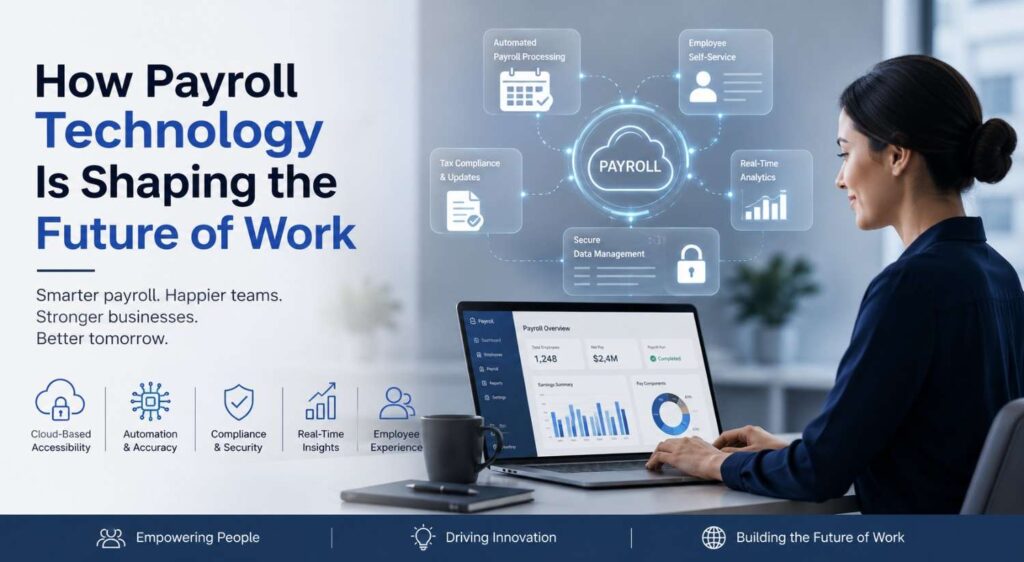
Payroll technology is rapidly transforming modern workplaces, revolutionizing how companies manage payroll processing and compliance requirements. As organizations seek greater efficiency and adaptability, automated payroll solutions have become central to streamlining processes and minimizing human error. A notable advancement is the use of ADP payroll software, exemplifying the new standard in automation and workforce management within payroll operations.
As businesses strive to keep pace with digital transformation, payroll innovations are enhancing the employee experience, improving security, and unlocking new strategic advantages. Seamless access to payroll data reduces delays for HR teams and increases transparency for employees, fostering an improved organizational culture and competitive positioning.
Advancements in payroll technology ensure that companies not only meet compliance demands but also leverage powerful analytics to guide strategic decisions. These changes extend beyond back-office improvements, redefining employer and employee expectations and opening opportunities for global growth.
To better understand how these developments are shaping the future, this article explores the major ways payroll technology is influencing and supporting the evolving workplace.
Automation and Efficiency
Payroll automation significantly reduces manual labor and helps prevent costly errors. Modern payroll platforms utilize digital workflows for tasks such as wage calculation, payroll reporting, and tax withholdings, allowing HR professionals to focus on higher-level functions. Organizations adopting automated payroll can process payments more swiftly and minimize errors, leading to greater satisfaction for both employers and employees.
The transition to digital payroll operations enables teams to support larger, more complex workforces without expanding HR departments. Automated audit trails and real-time updates further reduce the risk of inaccuracies or oversight, enhancing stakeholder confidence in payroll outcomes.

AI Integration
Artificial Intelligence is now a cornerstone of modern payroll technology. AI-driven software analyzes patterns in workforce data to identify payroll anomalies, improve tax compliance, and flag potential fraud. These sophisticated systems go beyond simple rule-based automation, helping organizations preemptively address discrepancies before they impact employee pay or regulatory standing.
AI tools are also driving predictive analytics in payroll, offering strategic insights into overtime patterns, labor costs, and potential compliance risks. This allows companies to optimize workforce planning and proactively adjust resource allocation, resulting in better-managed payroll expenses and reduced financial exposure.
Compliance and Security
Compliance challenges are increasing as regulations around payroll, tax, and benefits change frequently and vary by region. Payroll technology is being developed with built-in compliance checks and automatic updates, ensuring companies adhere to the latest legal requirements. Advanced systems now provide regular alerts and easily accessible compliance documentation, reducing the administrative burden on HR teams.
Payroll platforms also emphasize cybersecurity. Stringent access controls, encrypted databases, and ongoing security monitoring are standard features of robust payroll solutions. This protects organizations from data breaches and unauthorized access, ensuring that sensitive employee and financial information remains secure at all times.
Additionally, regular security audits and staff training programs are frequently incorporated into payroll technology deployment. Organizations are investing in these holistic approaches because securing payroll data isn’t just about the right software; it involves comprehensive organizational awareness and vigilance. This ongoing commitment to compliance and security is crucial as the consequences of a breach become increasingly severe in today’s data-driven business landscape.
Employee Experience
Modern payroll systems offer user-friendly self-service portals that enable employees to access pay information, update personal details, download tax forms, and review benefits at their convenience. This accessibility enhances transparency and fosters trust between the organization and its staff.
By empowering employees with greater control over their own data and reducing dependency on HR for routine payroll queries, businesses enhance employee satisfaction. Digital payroll services are increasingly viewed as an essential part of the overall employee experience, supporting recruitment, retention, and engagement.
Furthermore, organizations are beginning to integrate payroll data with employee wellness and financial education initiatives. This trend is designed to foster holistic well-being for staff, linking accurate, timely payroll with broader efforts to support employees’ financial literacy and mental health. When payroll works seamlessly with these initiatives, the impact on morale and retention is amplified.
Data-Driven Insights
The latest payroll platforms are also powerful analytics tools. They generate detailed reports on labor costs, overtime trends, compensation benchmarking, and workforce demographics. HR leaders use these insights to make informed decisions about staffing, benefits, and budgeting, while finance teams leverage them for accurate forecasting and resource allocation.
With real-time data on hand, organizations can quickly track patterns and make adjustments before issues become costly. This ability to turn payroll data into actionable business intelligence is transforming payroll from a back-office function into a strategic driver of organizational success.
Global Payroll Management
Companies operating across multiple countries must navigate different tax codes, labor laws, and cultural expectations. Payroll technology now provides centralized systems that enable organizations to implement consistent payroll processes across geographic regions while considering local compliance requirements.
Advanced global payroll solutions help multinational organizations minimize administrative burdens, reduce compliance risks, and ensure timely, accurate payments, regardless of employees’ locations. These capabilities are especially important as distributed and remote workforces become increasingly common worldwide.
Global workforce expansion often introduces complexity, but payroll technology helps bridge gaps by supporting multiple currencies, languages, and varying tax requirements. Centralized dashboards offer HR and finance leaders enhanced visibility and control, minimizing errors and improving collaboration when managing employees worldwide.
Future Trends
The payroll technology landscape is set to further evolve with advancements such as deeper AI integration, enhanced mobile access, and real-time wage payment gaining momentum. Employers will increasingly seek flexible, scalable payroll solutions tailored to unique workforce demands and regulatory landscapes.
Adapting to these future trends will be essential for companies aiming to remain competitive and attractive to top talent. By continuing to invest in cutting-edge payroll technologies, organizations can expect lasting gains in efficiency, transparency, and strategic impact.
Summary
Payroll technology is not only modernizing essential business functions but is also fundamentally shaping the future of work. Embracing these innovations positions organizations to achieve greater agility, strategic insight, and operational confidence in an ever-changing business environment.